








Safety on the job matters a lot. Employers must obey the law and keep workers safe by paying close attention to electrical safety. Electricians find and fix hidden electrical dangers that can cause fires or shocks. They work like superheroes, stopping accidents before they happen. Imagine chasing down sneaky problems hiding inside wires—that’s their daily mission. People who want safer workplaces get a real advantage by understanding how electricians tackle surprise risks. Keep reading to discover the secret that makes work places safer and more dependable.
Understanding Electrical Hazards
Before delving into the role of electricians in ensuring workplace safety, it’s essential to understand the potential hazards posed by electricity. Electrical accidents can result in serious injuries or even fatalities. Common electrical hazards include:
- Electric shock: Contact with live electrical parts can cause electric shock, leading to burns, muscle contractions, and even cardiac arrest.
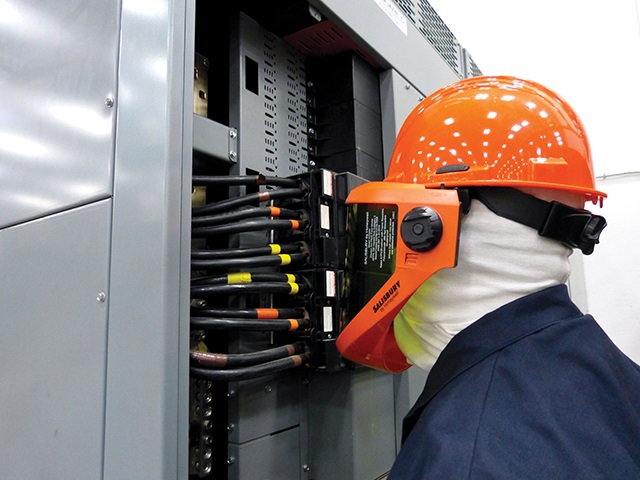
- Arc flashes and blasts: An arc flash is a release of energy due to an electrical fault, resulting in an explosion. Arc flashes can cause severe burns, blindness, and other injuries.
- Fires: Electrical faults or malfunctions can lead to fires, endangering lives and causing extensive damage to property.
The Role of Electricians
Electricians are trained professionals responsible for installing, maintaining, and repairing electrical systems in various settings, including workplaces. Their role in ensuring workplace safety is multifaceted:
1. Electrical Inspections
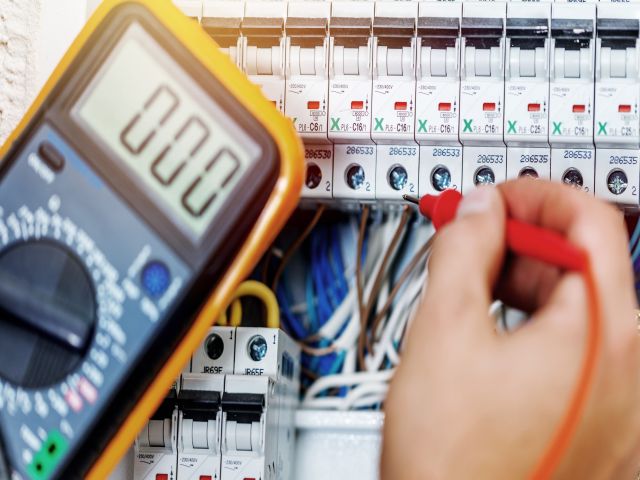
Regular inspections of electrical systems are essential to identify potential hazards and ensure compliance with safety standards. Electricians conduct thorough inspections of wiring, circuits, equipment, and other components to detect any signs of wear, damage, or non-compliance. By identifying and addressing issues proactively, electricians help prevent electrical accidents and maintain a safe working environment.
2. Compliance with Regulations
Electricians are well-versed in electrical codes, regulations, and standards established by regulatory bodies such as the Occupational Safety and Health Administration (OSHA). They ensure that electrical installations and equipment in workplaces comply with these regulations to minimize the risk of accidents. From proper grounding and bonding to adequate overcurrent protection, electricians ensure that all electrical systems meet the required safety standards. For further help, tips, and advice about finding an electrical company near me, you may visit their page to know more.
3. Installation of Safety Devices
In addition to complying with regulations, electricians install various safety devices and measures to enhance workplace safety. This may include ground fault circuit interrupters (GFCIs), which protect against electric shock by quickly disconnecting power when they detect a fault. Electricians also install surge protection devices to safeguard equipment from voltage spikes and transient overvoltages. By implementing these safety measures, electricians mitigate the risk of electrical accidents and equipment damage.
4. Emergency Response
Despite preventive measures, electrical emergencies can still occur. In such situations, electricians play a crucial role in responding promptly and effectively to mitigate the consequences. Whether it’s addressing electrical faults, restoring power, or evacuating personnel safely, electricians are trained to handle emergencies with professionalism and efficiency.
Conclusion
Electricians are indispensable when it comes to ensuring workplace safety, particularly concerning electrical hazards. Through their expertise in inspections, compliance, installation of safety devices, and emergency response, electricians help create a safe working environment where employees can perform their duties without fear of electrical accidents. Employers must prioritize the involvement of qualified electricians in maintaining electrical safety standards to protect their employees and mitigate the risk of costly accidents.