









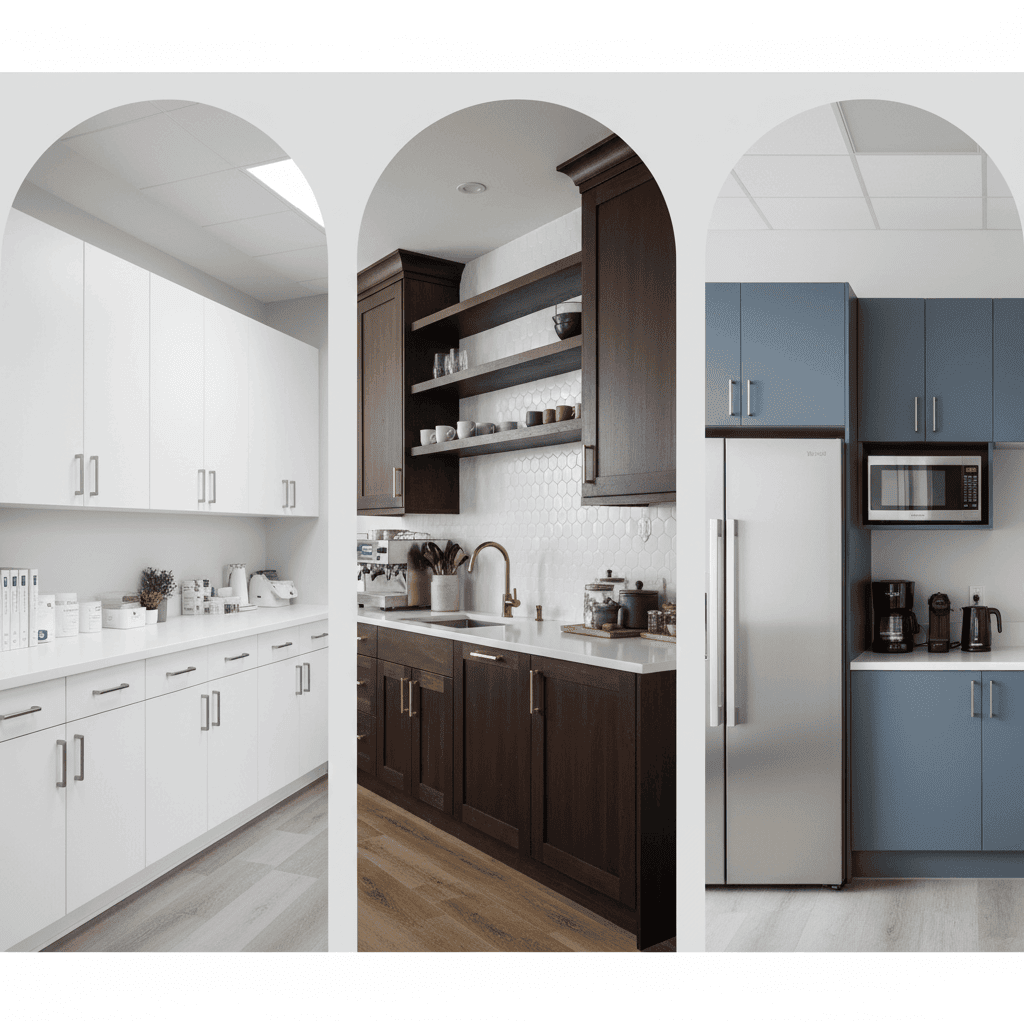
Commercial cabinetry shapes the feel and function of many business spots without shouting for attention. Picture a boutique store showing off cool display shelves or a medical clinic needing clean, germ-free storage—good cabinets help get things done, keep everyone safe, and look sharp. Knowing how to pick, install, and care for these cabinets saves money and headaches down the road. People running shops, clinics, or any business that depends on smart storage will find this info handy. Dive in to discover little-known tips that make cabinets work like a charm every day.
Whether you are a facility manager, business owner, designer, or contractor the choices you make about cabinets affect workflow, maintenance costs, and customer impressions. Below I cover industry specific use cases, material options for heavy wear, design considerations for staff and customers, maintenance tips, and how to plan a budget that balances upfront cost with long term value.
Why good commercial cabinetry matters for business operations
Cabinets in a commercial setting do more than hold items. They organize tools and supplies, create secure storage, define work zones, and support compliance with health or safety rules. Poorly chosen cabinets can slow tasks, increase breakage, and create trip hazards when items are stored inefficiently. Conversely well planned installations reduce clutter, protect inventory, and make workflows predictable.
- Support for operations Cabinets designed for a specific task save time each day and lower error rates.
- Durability Commercial grade hardware and surfaces resist dents, stains, and frequent use.
- Brand image High quality cabinetry sends a message to customers and partners about how you manage your business.
Common commercial cabinetry uses by industry
Different industries require different priorities when it comes to cabinets. Below are typical uses and the features that matter most for each setting.
Retail and showrooms
In retail, cabinets serve as display, storage, and checkout support. Open shelving and glass fronts help present products while lockable lower cabinets protect back stock. Consider adjustable shelving to change layouts with new merchandising campaigns. Durable finishes stand up to daily customer traffic and cleaning routines.
Hospitality and food service
Restaurants, cafes, and hotel kitchens need cabinets that resist moisture and spills. Stainless steel and high pressure laminate are common for wet zones. Cabinets may incorporate built in trash and recycling pulls, secure storage for knives, and integrated refrigeration units. Smooth surfaces that clean easily help meet health inspection requirements.
Healthcare and laboratories
Clinics, labs, and dental offices need surfaces that tolerate disinfectants and chemicals. Cabinets often include sealed tops, drawer liners, and locks for controlled substances. Space planning focuses on proximity to sinks and workstations to support aseptic technique and reduce cross contamination.
Office and institutional settings
Offices need storage for files, supplies, and IT equipment. Metal or laminate cabinets with lockable doors protect documents and electronics. In schools and public buildings cabinets for AV equipment and maintenance tools should allow easy access while minimizing tampering.
Material and finish choices that stand up to heavy use
Choosing the right material is one of the most practical decisions you will make. Materials determine longevity, cleaning procedures, and the sensory feel of the space. Below are common materials and how they perform in commercial contexts.
- Solid wood and hardwood faces Offer a warm appearance and good durability in low moisture areas. They require protective finishes for heavy traffic.
- Plywood with veneer Balances appearance and cost. Good for offices and retail where visible grain is desirable.
- Laminate Provides a wide range of colors and patterns and resists stains and scratches. A common choice for break rooms and clinics.
- Stainless steel Ideal for kitchens and labs due to chemical resistance and ease of cleaning. Considered a long lasting option despite higher cost.
- High density fiberboard Can be used in painted or laminated finishes for cost controlled projects. Seal edges to protect from moisture.
Hardware selection matters as much as panel material. Heavy duty drawer slides, commercial hinges, soft close mechanisms, and keyed locks increase lifespan and reduce service calls. Specify hardware rated for high cycle use in spaces with frequent opening and closing.
Design considerations for workflows and compliance
Good design aligns cabinet placement with how people move and work. A few clear planning strategies reduce friction and improve safety.
Access and reach planning
Place frequently used items within comfortable reach to save time and reduce strain. In high volume work zones plan for lower shelves for heavy items and higher shelves for light or seldom used goods. Consider ergonomic heights for counters where staff perform repetitive tasks.
Compliance with codes and standards
Health, fire, and accessibility rules affect cabinetry design. For example cabinets near electrical panels or exits cannot obstruct egress. In public spaces provide accessible storage and counters that meet local accessibility standards. For certain industries secure locking and inventory control may be required by regulation.
Installation, maintenance, and lifecycle planning
Installation affects performance. Level units, properly anchored to walls, and with sealed joints reduce damage over time. Here are practical tips for installation and care that reduce long term cost.
- Arrange for professional installation when work involves plumbing, gas, or heavy wall anchors.
- Apply edge sealing for wood or composite panels in humid zones to prevent swelling.
- Keep spare hardware and small replacement parts on site to speed repairs.
- Create a simple maintenance schedule that covers hinge lubrication, drawer track cleaning, and surface care.
Regular cleaning with manufacturer recommended products extends life and preserves appearance. Avoid harsh abrasives on sensitive finishes. Train staff how to open heavy drawers and how to report issues before minor problems grow into major repairs.
Cost considerations and return on investment
Commercial cabinets range from economical to premium. Consider total cost of ownership rather than just purchase price. A lower cost cabinet may require more repairs and replacements which increases lifetime expense.
- Initial cost factors Include material, hardware, finish, and installation complexity.
- Operational cost factors Include cleaning, repairs, and downtime when a unit fails.
- Replacement timelines Typical commercial units last 10 to 20 years depending on use intensity and maintenance. Heavy use areas expect shorter cycles.
When budgeting allow for contingency funds to adapt layout when workflows change. Modular components make future changes less expensive because sections can be replaced rather than whole runs.
Choosing a local supplier and the value of working with a dedicated cabinet shop
Selecting a local partner helps coordinate site visits, measurements, and timely installation. A knowledgeable supplier can recommend materials that fit both usage patterns and code requirements. If you prefer to examine options in person search for companies with portfolios in commercial work and ask for references for projects similar to yours.
One local option with a track record in custom commercial builds is Orlando Custom Cabinets They showcase examples for hospitality, retail, and professional offices and can provide on site estimates and installation services. When you contact potential vendors ask for lead time estimates, warranty details, and samples of finishes to assess real world wear and cleaning behavior.
Practical tips for project planning and procurement
Plan early and include all stakeholders in the selection process. Getting input from staff who use the cabinets daily prevents costly changes after installation. Here are concrete items to include in your procurement checklist.
- Clear measurements with allowance for electrical and plumbing channels.
- Usage profiles indicating high traffic zones and weight loads for shelves and drawers.
- Desired finish samples to test for scratch and stain resistance.
- Hardware specifications with rated cycles for hinges and slides.
- Warranty details and on site service policies.
Do a pilot installation if the project is large. Installing a small run first gives real feedback on ergonomics and finish performance. Adjust the specification before full rollout to reduce risk and unexpected costs.
Documentation matters. Keep a file with the cabinet serials or model numbers, finish codes, and maintenance instructions. This will speed future repairs and make replacements seamless when sections wear out.
Commercial cabinetry is an investment in operations and appearance. By matching material choices to usage, planning for installation and maintenance, and selecting a supplier who understands commercial needs you set the stage for cabinets that support your mission for years. If you are ready to discuss options schedule a site visit or request samples so you can test finishes and hardware before committing to a full build.
Conclusion
Commercial cabinetry uses range from storage and display to workflow support and compliance with health and safety standards. Thoughtful selection of materials and hardware reduces long term cost while thoughtful placement improves productivity and ergonomics. Prioritize usage patterns when choosing finishes and plan for professional installation in areas that involve utilities or high loads. Maintain a small stock of spare parts and a simple maintenance routine to protect your investment. Finally select a supplier who can show relevant experience and provide clear timelines and warranties. If you would like help narrowing choices or want a site visit reach out to a local cabinet shop to review options and get a practical estimate. Making the right choices now saves time and money across the life of the installation.